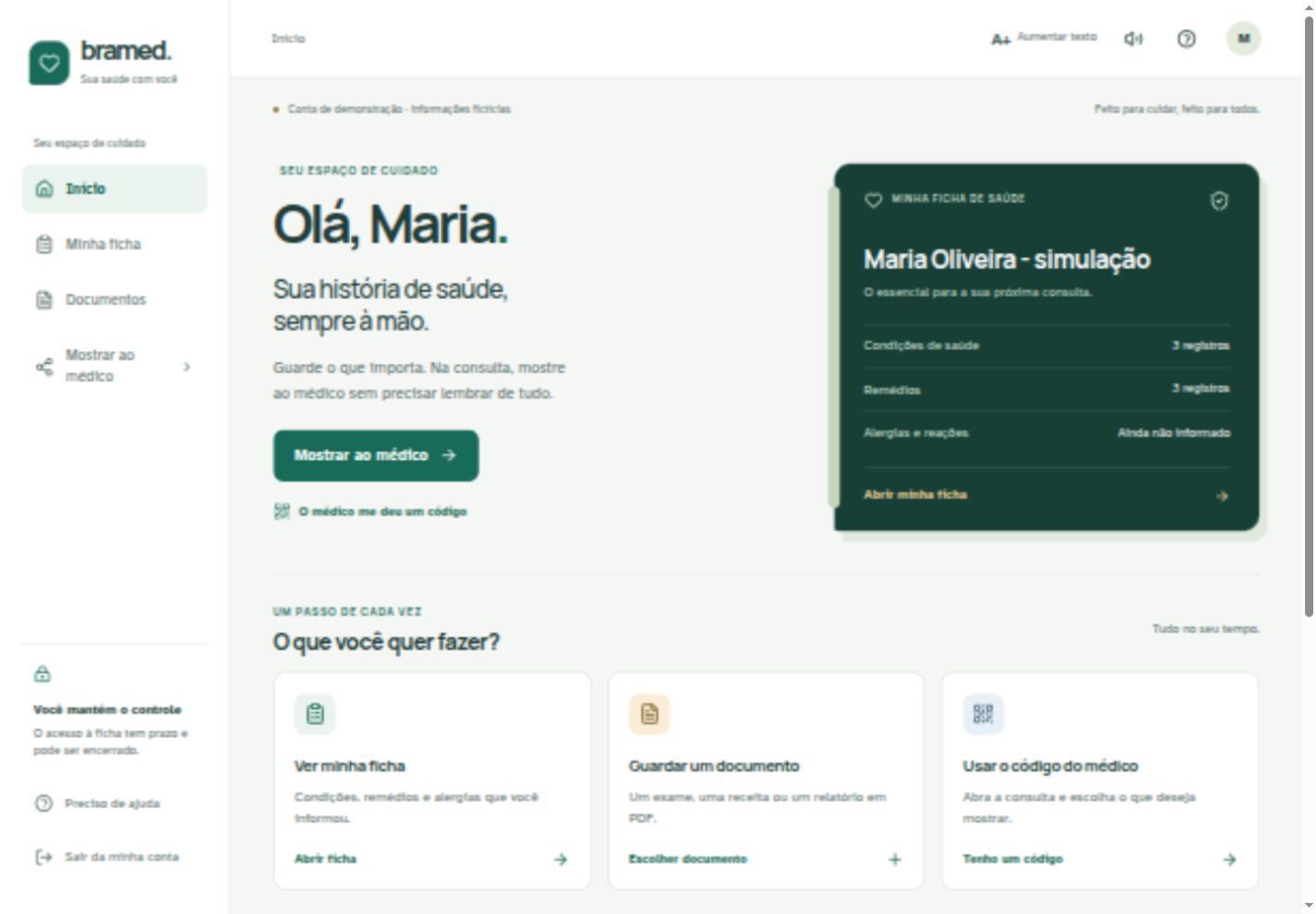
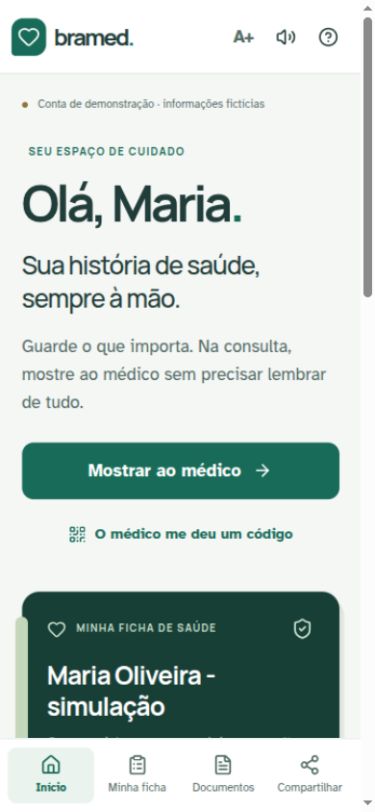
A patient with a long history depends on memory and on a folder of paper to tell that history to each new doctor. The app has to hold all of it, be usable by an 80-year-old who is not comfortable with technology, and keep health data safe while still letting a doctor read it during an appointment.
A FastAPI backend over PostgreSQL, with a Next.js web app and an Expo app for Android. Every piece of information keeps its author, its versions and a link to the original document it came from. It is a proof of concept, started in November 2026, and clinical validation has not happened yet.
What I chose, and what it cost
Access always has an end date
The patient picks what to show and for how long, and can revoke it at any time. The cost: a doctor cannot go back to the record later without asking again.
The doctor's QR code starts the flow and grants nothing
For someone who does not know where to start, the doctor shows a QR code and the app leads the way from there. Reading the code never shares the record. The patient still has to say yes.
Encrypted on the server, and honest about what that means
Clinical content and original documents are encrypted at rest. The server holds the key, so this is not end-to-end encryption, and the project says so in writing.
The app does not interpret exams
Imported results need an explicit review by the person and keep the page and excerpt of the original. The cost: importing takes more steps than a fully automatic reader would.